

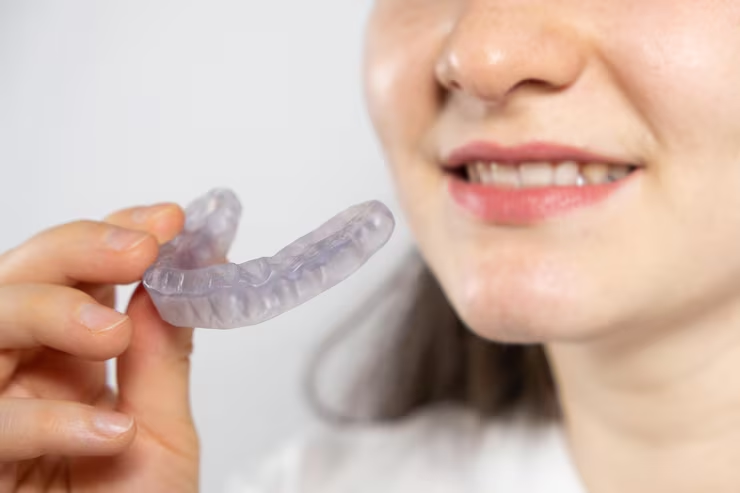
A night guard protects your teeth from grinding and clenching while you sleep. However, food, saliva, and bacteria can build up on it if you do not clean it regularly. Night guards in Woodbridge can stay clean and last longer with simple daily care. Rinse your guard after use, gently brush it, and let it dry before storing it.
Learning how to clean a night guard helps keep your mouth healthy. Clean it daily to keep it fresh and comfortable. Avoid hot water and strong cleaners, as they can damage the guard or change its fit. Follow your dental team’s advice for the best cleaning method.
Why Does a Night Guard Develop Odour?
The night guards near you can develop an unpleasant smell when saliva, bacteria, and debris remain on its surface. Storing it while wet or placing it in a dirty case can also contribute to odour.
Common causes include:
- Not rinsing the guard after use.
- Leaving saliva and debris on its surface
- Using a storage case that is not cleaned regularly
- Putting the guard away before it has dried
- Wearing it without brushing your teeth first
These habits can cause dirt and bacteria to build up on your guard. Cleaning it regularly helps keep it fresh and prevents bad smells.
How to Clean a Night Guard Every Day
Daily cleaning is one of the simplest ways to prevent buildup. Use gentle methods that clean the guard without scratching or changing its shape.
Follow these steps:
- Rinse after use: Rinse the guard with cool or lukewarm water as soon as you remove it.
- Brush gently: Use a separate, soft toothbrush to clean all surfaces. Follow the product instructions about whether to use a mild, non-abrasive cleaner.
- Rinse well: Wash off all the cleaner before putting your guard back on.
- Let it dry: Place it on a clean surface and let it dry before storing it.
- Clean your teeth: Brush and floss every day to keep food and dirt from getting between your teeth and gums.
Avoid hot or boiling water because it may warp the material. Do not use bleach, alcohol-based products, or abrasive toothpaste unless the manufacturer or dental provider specifically recommends them.
What Is the Best Night Guard Care Routine?
Good night guard care means cleaning the guard, keeping its case clean, and checking it for changes. A simple routine makes these tasks easier to remember.
For better daily care:
- Clean the guard every morning after use.
- Wash the storage case regularly and let it dry.
- Keep the guard away from pets, who may chew or damage it.
- Avoid leaving it in direct sunlight or a hot car.
- Check for cracks, rough edges, or changes in fit.
A dentist in Woodbridge can check whether the guard still fits properly and shows signs of wear. Stop using it and ask for advice if it becomes damaged or causes new irritation.
How Should You Store a Night Guard?
Proper night guard storage helps protect the guard from dirt, damage, and unwanted moisture. Once it is clean and dry, place it in a clean, ventilated case designed for dental appliances.
Avoid wrapping it in a tissue or napkin, as it may be thrown away by mistake. Do not store it in a sealed container while it is still wet. Keep the case in a safe place away from heat and direct sunlight.
If you travel often, carry the case with you so the guard has a clean place to stay when it is not being worn.
When Should You Replace a Night Guard?
A night guard may need to be replaced when it becomes cracked, badly worn, loose, or uncomfortable. Changes in your teeth or bite can also affect how well it fits.
If you are unsure when to replace a night guard, look for these warning signs:
- Cracks, holes, or split areas
- Sharp or rough edges
- A loose fit or difficulty putting it in place
- Persistent odour that remains after proper cleaning
- New discomfort when wearing it
Do not try to repair a damaged guard with household glue or reshape it using heat. A dentist near you can assess its condition and advise whether repair, adjustment, or replacement is needed.
Keep Your Night Guard Clean and Comfortable!
Keeping your night guard clean can help prevent unpleasant smells, reduce buildup, and make it more comfortable to use each night. Regular care also gives you a chance to notice cracks, rough edges, or changes in fit before they become bigger concerns. Contact Humberview Family Dentistry to discuss your night guard care routine and any issues you have noticed while wearing it. Arrange an assessment to have its condition and fit checked, get advice on suitable cleaning methods, and find out whether an adjustment or replacement may be needed to keep your teeth protected during sleep.
FAQs
Can a night guard be soaked in mouthwash?
Not all mouthwashes are safe for night guards. Some contain alcohol or other ingredients that may affect the material, so use a soaking product only if it is approved for your guard.
How often should a night guard be cleaned?
Clean it every day after removing it from your mouth. Regular cleaning helps remove saliva and debris before they build up.
What should you do if a night guard still smells after cleaning?
Clean the guard and its case thoroughly using the recommended method, then allow both to dry. If the odour remains, or you notice damage or a change in fit, ask a dental professional to check it.
Can you wear a night guard without cleaning it first?
It is best to clean the guard before wearing it, especially if it has been stored for a while. Also brush and floss your teeth to help reduce the transfer of debris to the appliance.