

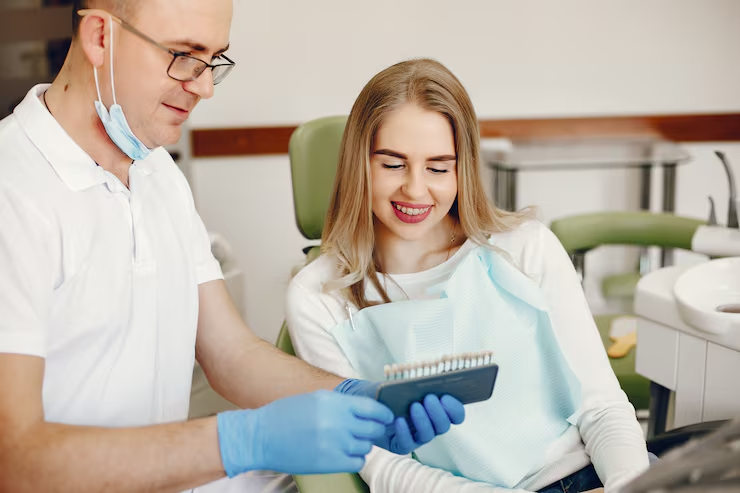
With proper care, dental veneers can maintain their appearance and function for many years. Porcelain veneers typically last 10 to 15 years or longer, while composite veneers may have a shorter lifespan and require earlier replacement. The material used, biting habits, tooth grinding, oral hygiene, and the health of the teeth and gums can all affect how long veneers last. Dental veneers in Woodbridge still require regular brushing, daily interdental cleaning, and dental checkups. Avoiding habits such as chewing ice, biting hard objects, or opening packages with the teeth can also help reduce the risk of chips, cracks, or other damage.
What Determines How Long Veneers Last?
Several factors can affect how long veneers remain in good condition. The material is one of the main considerations.
Porcelain veneers are strong and stain-resistant, while composite veneers are easier to repair but may wear or stain sooner. The condition of the teeth and gums before treatment can also affect the long-term result.
A dentist in Woodbridge can assess the teeth, bite, and overall oral health before recommending a veneer option.
How Does Daily Care Affect Veneer Lifespan?
Good oral hygiene helps keep both the veneers and the natural teeth underneath them healthy. Veneers do not protect the entire tooth from decay or gum problems.
Helpful habits include:
- Brush twice a day with a soft-bristle toothbrush.
- Clean between the teeth every day.
- Attend regular dental checkups and cleanings.
- Avoid biting hard objects such as pens or fingernails.
- Do not use the teeth to open packages.
- Wear a recommended night guard if teeth grinding is a concern.
When considering dental veneers near you, ask about the best cleaning and maintenance routine for the chosen veneer material.
What Can Damage Dental Veneers?
Veneers can become chipped, cracked, worn, or loose under certain conditions. Strong biting forces can place extra pressure on the veneers, especially during grinding or clenching.
Foods that are very hard or habits that place unusual force on the teeth may also increase the chance of damage. Staining is less common with porcelain veneers, but it can still affect the natural teeth around them.
Regular dental visits can help identify small problems before they become more difficult to manage.
How Can Veneers Last Longer?
Simple changes to daily habits can help protect veneers and the natural teeth supporting them.
Consider these care tips:
- Use a gentle brushing technique.
- Floss or clean between teeth daily.
- Choose foods that are easier to bite when a tooth feels sensitive.
- Avoid chewing ice or other very hard items.
- Follow any specific care instructions after veneer placement.
- Address grinding or clenching if it is affecting the teeth.
A dentist near you can also check whether the veneers remain secure and whether the surrounding teeth and gums are healthy.
When Do Dental Veneers Need Replacement?
Veneers do not last forever. Replacement may become necessary if a veneer is badly damaged, becomes loose, wears down, or no longer fits properly.
Changes in the natural teeth or gums can also affect how the veneers look and function. A damaged veneer should be assessed rather than repaired at home.
For people considering dental veneers in Woodbridge, understanding the expected lifespan can help set realistic expectations before treatment.
Can Veneers Be Repaired?
In some cases, a damaged veneer may be repaired, depending on the material and type of damage. A small issue may be manageable without replacing the entire veneer, while a larger crack or break may require a new one.
The best option depends on the condition of the veneer and the underlying tooth. Professional assessment is important before deciding between repair and replacement.
Protect Your Veneers for the Long Term!
How long veneers last depends on the type of veneer, your oral health, your bite, and your daily habits. Good care and regular dental visits can help your veneers last longer.
Book a visit with Humberview Family Dentistry to discuss your veneer goals, care needs, and ways to keep your smile healthy and natural-looking.
FAQs
Do veneers need special toothpaste?
Usually, you can use regular fluoride toothpaste. Avoid very rough or abrasive toothpaste, as it may not be suitable for some veneers. Follow your dentist’s advice for cleaning your veneers.
Can veneers fall off?
A veneer can become loose or detach in some situations. This may happen because of damage, biting forces, changes in the tooth, or other factors. If a veneer comes off, keep it safe and contact a dental provider.
Do veneers stain over time?
Porcelain veneers are generally resistant to staining, whereas composite veneers may be more prone to staining over time. The natural teeth around the veneers can still become discolored.
Can I whiten teeth that have veneers?
Whitening products do not change the color of porcelain or composite veneers in the same way as they affect natural teeth. Whitening may be considered before veneer treatment if a lighter natural tooth shade is desired.