

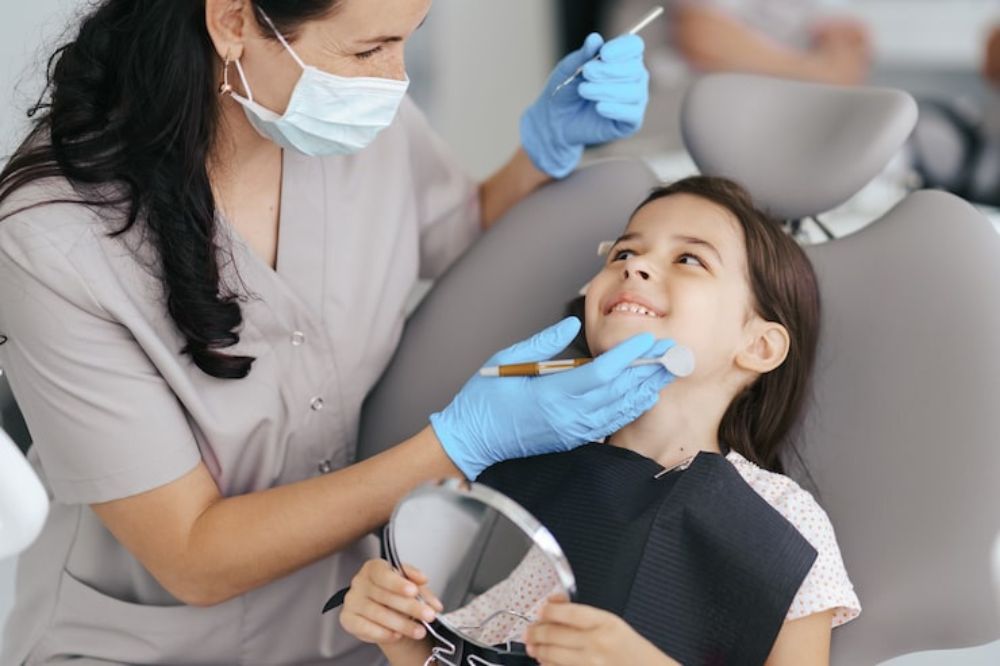
All parents want their child to have a healthy and bright smile. It starts by taking them to the dentist early. A pediatric dentist in Woodbridge is one of the most effective ways to prevent tooth decay in your child. As a child’s mouth grows, their dental needs change, and only a professional can ensure that baby teeth stay healthy until adult teeth emerge. If one attends to prevention early, one can avoid their child’s pain from cavities.
Why Early Dental Visits Matter
Many parents wonder when they should start taking their kids to a professional. The first visit should occur by their first birthday. This early introduction helps the child feel comfortable in a clinical setting. It also allows the dentist to monitor how the teeth are coming in. Finding a dentist near you who specializes in children makes these early visits much more productive and less stressful for the little ones.
Professional Cleanings and Exams
Even with diligent brushing at home, plaque can hide in hard-to-reach places. During a routine checkup at a dental clinic in Woodbridge, a hygienist will gently remove tartar and plaque. These cleanings are much more thorough than what you can achieve with a standard toothbrush. Regular exams allow the team to spot the very first signs of decay before they turn into deep cavities.
The Power of Dental Sealants
One of the best tools in a dentist’s toolkit is the dental sealant. This is a thin, protective coating applied to the chewing surfaces of the back teeth. Since kids often struggle to clean the deep grooves in their molars, sealants act as a barrier against food and bacteria. This simple procedure is painless and can significantly reduce the risk of decay.
Fluoride Treatments for Strong Enamel
Fluoride is a mineral that strengthens tooth enamel and makes it more resistant to acid attacks. While most tap water contains some fluoride, professional applications provide a more concentrated boost. A pediatric dentist near you can apply a fluoride varnish or gel during a regular cleaning. This is especially helpful for children who may be at a higher risk for developing cavities due to diet or genetics.
Education and Better Habits
A major part of pediatric care is teaching children how to look after their own teeth. Professionals use age-appropriate language to explain why brushing and flossing are so important. They can demonstrate proper technique to ensure every tooth surface is cleaned. When children understand the “why” behind their routine, they are more likely to take pride in their oral health.
Managing Nutrition and Snacks
What a child eats directly impacts their dental health. Sugary snacks and acidic juices are the primary culprits behind tooth decay. A dental team can guide you to tooth-friendly snacks, such as cheese, crunchy vegetables, and plain yog rt. They can also discuss the dangers of “bottle rot,” which happens when infants are put to bed with milk or juice.
Common Cavity Prevention Services
The following table outlines the different ways a dental team works to keep your child’s smile cavity-free.
|
Service Type |
Primary Benefit |
Frequency |
|
Professional Cleaning |
Removes hardened plaque and tartar |
Every 6 months |
|
Dental Sealants |
Protects deep grooves on molars |
Once every few years |
|
Fluoride Varnish |
Strengthens the outer tooth enamel |
Twice a year |
|
Nutritional Guidance |
Reduces sugar intake and acid erosion |
Every visit |
Conclusion
Keeping your child’s smile healthy requires a mix of good home habits and professional support. At Humberview Dentistry, we take pride in providing a welcoming environment for families. Our team is dedicated to helping children develop a lifetime of healthy habits while keeping their smiles bright and strong. If you are looking for a partner in your child’s oral health journey, we are here to help. Please feel free to reach out to our team to book an appointment and give your child the gift of a healthy smile today.
📍 Find us easily on the Google map and plan your visit today!
Frequently Asked Questions
How often should my child see a dentist?
Most children should visit every six months for a cleaning and exam.
Are baby teeth really that important?
Yes, they hold space for adult teeth and help with speech and chewing.
When should we start using fluoride toothpaste?
You can use a tiny smear as soon as the first tooth appears, increasing to a pea-sized amount at age three.
Do dental sealants hurt?
Not at all. The process is quick, non-invasive, and does not require any drilling.
My child is nervous about the dentist. What should I do?
Choosing a team that specializes in kids is the best first step. They use gentle techniques to build trust.