

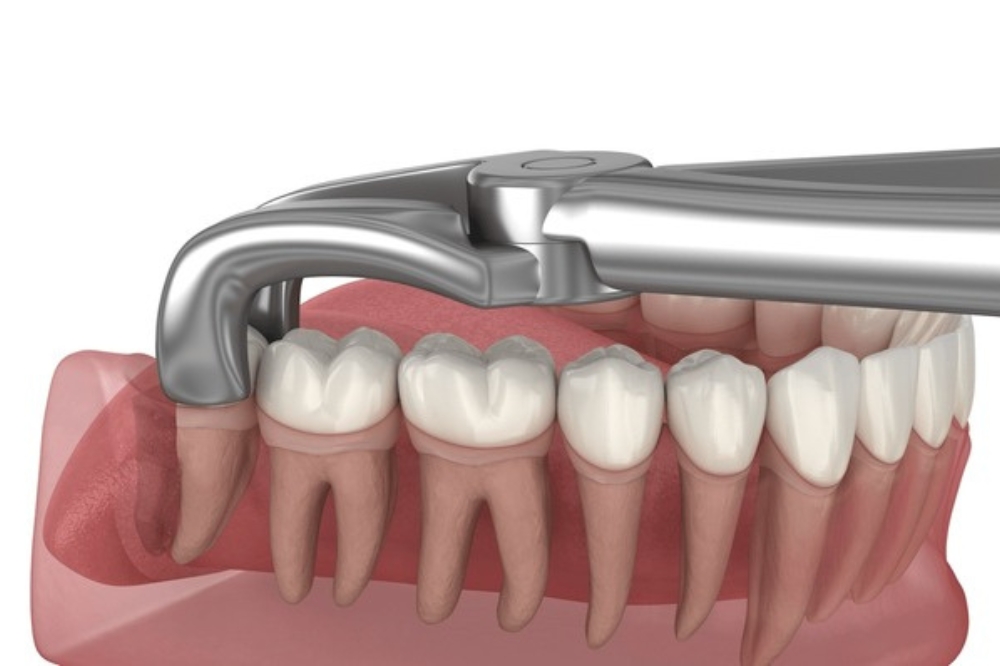
Do you feel pain, swelling, or tenderness at the back of your mouth? Many people feel discomfort when their wisdom teeth start to come in. This can make eating, talking, or even smiling uncomfortable. If the pain is severe or doesn’t go away, you may need a wisdom teeth extraction near you to prevent problems.
Swelling near wisdom teeth happens often. Understanding what causes it, how to reduce it at home safely, and when to visit a dentist can help you handle the pain. Treating it early can stop infection, protect other teeth, and prevent long-term problems, keeping your mouth healthy and comfortable.
What Causes Wisdom Teeth Swelling?
Swelling around wisdom teeth usually happens when the teeth are trying to come through the gums. Some common reasons are:
- Impaction: The tooth doesn’t have enough space to grow and pushes on nearby teeth, causing swelling and pain.
- Infection: Bacteria can build up under the gum covering a partially grown tooth, causing redness, pain, and sometimes pus.
- Gum irritation: Pressure from the new tooth can make the gums sore and tender.
- Cysts or abscesses: Sometimes fluid-filled sacs form around the tooth, which need quick dental care.
If the swelling comes with a fever, severe pain, or trouble opening your mouth, see a dentist right away.
Symptoms of Wisdom Tooth Pain and Swelling
Wisdom tooth swelling can appear differently for each person. Key symptoms to watch for include:
- Tender, red, or swollen gums at the back of your mouth
- Pain that radiates to the jaw, ears, or head
- Difficulty chewing or opening your mouth comfortably
- Bad taste or odour in the mouth
- Sensitivity when biting
Persistent or worsening symptoms often require evaluation at a dental clinic in Woodbridge to prevent complications and get proper treatment.
Relief Tips for Wisdom Tooth Gum Pain
While you wait to see your dentist, you can try these simple ways to ease swelling and pain:
- Cold pack: Place a cold pack on your cheek to reduce swelling.
- Saltwater rinse: Rinse your mouth with warm saltwater to keep it clean and fight germs.
- Pain medicine: Take over-the-counter medicine like ibuprofen or acetaminophen to help with pain and swelling.
- Soft foods: Eat soft foods so your gums don’t get hurt.
- Gentle brushing: Brush carefully around the area to stay clean without causing more pain.
These tips can help for a little while, but seeing a dentist is the best way to fix the problem.
When to Consider Wisdom Teeth Extraction
Not every wisdom tooth needs removal, but it may warrant extraction if it does.
- The tooth is impacted or partially erupted
- Swelling, pain, or infection that persists.
- The neighbouring teeth may get damaged or misaligned.
- Cysts or other dental problems are seen.
A dentist near you can examine X-rays and determine if extraction can safeguard your oral health.
Recovery After Wisdom Teeth Removal
After the removal of your wisdom teeth, proper aftercare helps you recover smoothly.
- Use firm pressure on the gauze; do not bite or chew it.
- Refrain from using straws for at least one day to avoid dry socket.
- Stick to soft food and keep hydrated.
- Use ice packs to reduce swelling.
- Use the prescribed medications or mouth rinses as directed.
The length of time healing will take varies with the number of teeth being taken out. In most cases, people feel relief one or two weeks after the procedure.
Protect Your Smile and Prevent Complications!
Are your wisdom teeth causing swelling or discomfort, interfering with your life? If you get an early checkup and treatment, this will prevent pain and infection and also future problems. In addition to this, your smile will be kept healthy. A trained team of Humberview Dentistry will always provide you with personal care, advice and safe, effective treatment solutions.
Schedule your appointment today so you can relieve your discomfort, protect your teeth, and achieve a stunning smile that you’ll maintain for years to come!
📍 Find us easily on the Google map and plan your visit today!
FAQs
Is wisdom tooth pain always serious?
Pain can range from mild irritation to severe infection. If discomfort continues or worsens, do not ignore it.
Are antibiotics needed for swollen wisdom teeth?
If an infection is present, your dentist may prescribe antibiotics to prevent it from spreading and causing complications.
Will swelling influence adjacent teeth?
Impacted wisdom teeth can often push against neighbouring teeth, creating misalignment or additional pain.
How rapidly must I see a dentist for swelling?
Swelling easily lasting more than a couple of days and getting worse, or if there is a fever, then see a dentist.